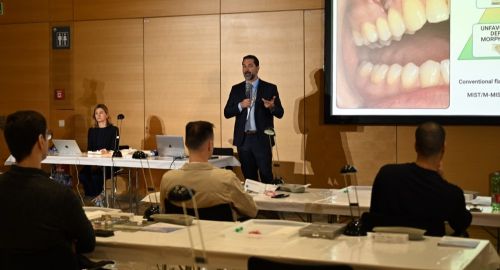
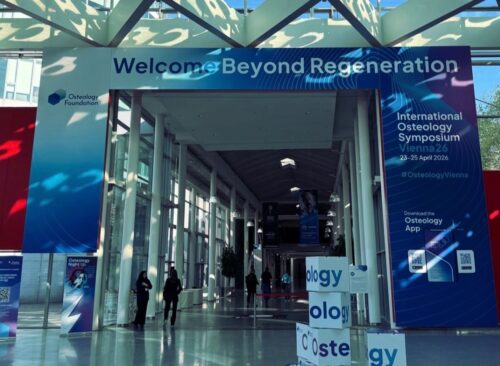
This July, we’re excited to share some of the latest insights in dental science following Dr. Morelli’s recent return from the 2026 Global Osteology Symposium in Vienna, Austria! While the trip was a great opportunity to connect with dental experts from across the globe, the real value of these conferences lies in the knowledge we bring back to our patients here at NC Implants & Periodontics. The symposium focused heavily on bone and soft tissue regeneration, and specifically how we can use that science to regrow the foundation that holds your teeth/implants in place. At our practice, the goal is always to stay at the cutting edge of these techniques to ensure our patients have the best chance of maintaining their natural teeth for a lifetime.
What is Periodontal Regeneration?
Periodontal regeneration is an evidence-based clinical discipline that utilizes advanced biomaterials and specialized microsurgery to encourage your body to actively rebuild lost bone and attachment fibers. Rather than just managing the symptoms of disease, it repairs the biological foundation of your oral health to save your natural teeth.
How Does Gum Disease Cause Jawbone Loss?
For many people, the term “gum disease” only brings to mind the health of the soft tissues, but the most significant damage of periodontitis actually happens out of sight, beneath the gum line. Clinical data shows that a vast number of adults suffer from some stage of periodontal infection. When a chronic infection is present, the body’s inflammatory response begins to break down the jawbone that supports the tooth roots.
Historically, the standard dental response to this breakdown was limited. Traditionally, the goal of treatment was simply to stop the infection and prevent further loss. However, through the science of periodontal regeneration, we can often go a step further. Instead of just managing the disease, we use advanced biomaterials and specialized microsurgery to encourage your body to actually rebuild the lost bone and attachment fibers.
Traditional Periodontal Care vs. Advanced Regeneration
To understand how these advanced strategies help our patients achieve more stable and healthy outcomes, it helps to compare the traditional approach with modern regenerative science:
| Treatment Feature | Traditional Periodontal Care | Advanced Regenerative Approach |
| Primary Objective | Stop the chronic infection and prevent further degradation. | Actively rebuild and regrow lost jawbone and attachment fibers. |
| Methodology | Standard infection management and scaling. | Specialized microsurgery combined with advanced cellular biomaterials. |
| Foundation Impact | Establishes tissue stability but leaves the underlying bone structure missing. | True foundation repair that addresses the root cause of tooth instability. |
| Long-Term Health | Requires continuous management to prevent further loss. | Rebuilds bone to create a cleaner, more stable environment, reducing future infection risks. |
What Are the Symptoms of Jawbone Loss From Gum Disease?
Because bone degradation happens out of sight, it is vital to recognize the clinical warning signs early. You should seek a consultation if you notice any of the following changes to your smile:
- Loose Teeth: Teeth that feel slightly loose or shift when you bite down.
- Bite Misalignment: Changes in the way your upper and lower teeth fit together.
- Gaps Between Teeth: Visible “black triangles” forming between the teeth near the gum line.
- Gum Recession: Persistent gum recession that makes teeth appear significantly longer.